
A Strong Outer Paint Layer Helps Block Water, Sun Damage, and Wear
Exterior painting helps protect a home or building by forming a barrier against rain, sun, wind, and changing temperatures. Good paint slows moisture damage, helps wood and siding last longer, and reduces early cracking or peeling. In places with changing weather, that added layer can make a big difference in how well your property holds up over time.
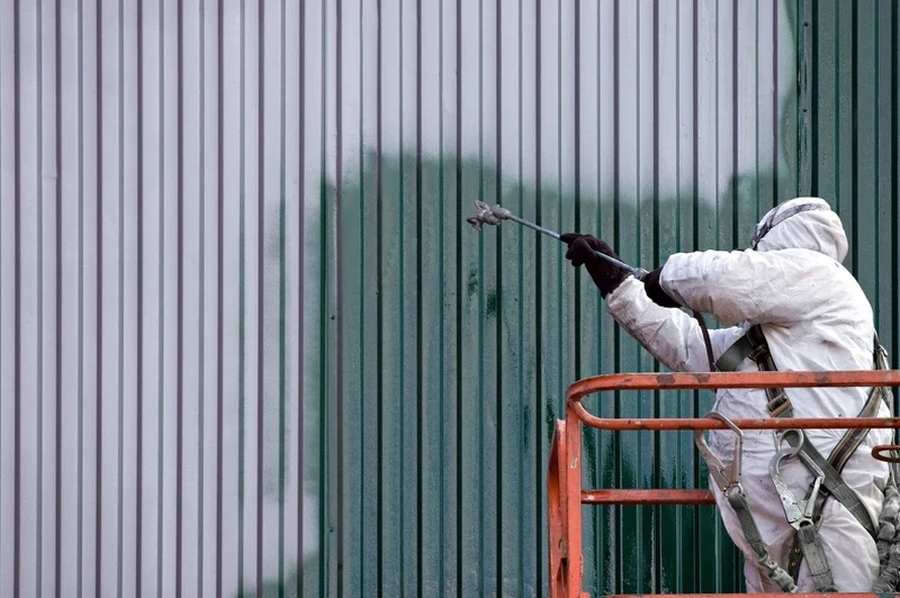
Why Prevention Matters
Weather hits the outside of a property every day. Rain can soak into small gaps. Sun can dry out surfaces and fade color. Wind can push dirt and water into weak spots. Hot and cold swings can make materials expand and shrink. Over time, that stress can wear down siding, trim, and other outside surfaces. exterior painting helps by sealing and shielding those areas before bigger damage starts.
Paint does more than add color. It acts like a skin over the surface. When that skin is in good shape, it helps reduce water entry and slows surface breakdown. This matters for wood, stucco, fiber cement, and metal. Even masonry can benefit when the right coating is used.
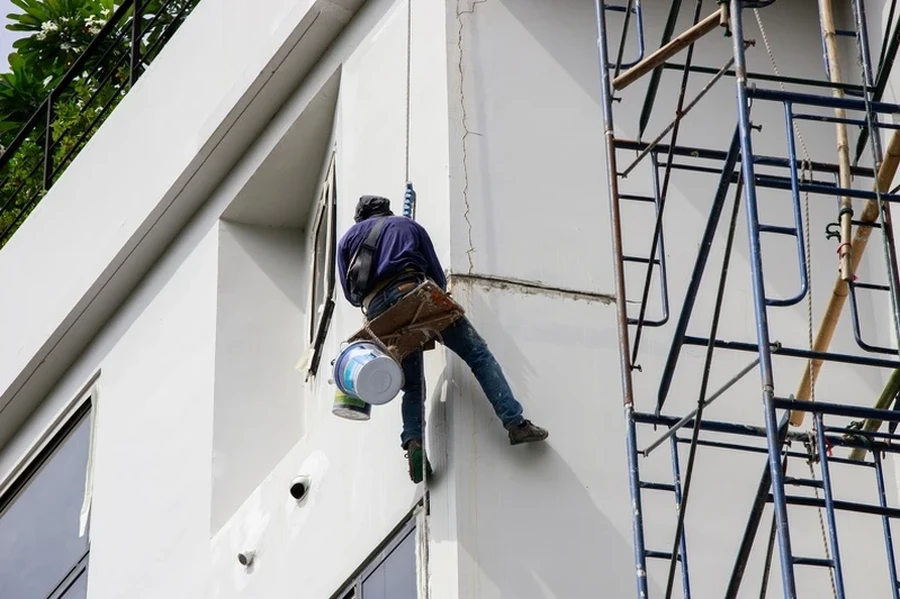
Early Warning Signs
You can often spot trouble before major repairs are needed. Small signs usually show up first. If you catch them early, you may avoid rotten wood, mold, or damaged siding.
- peeling or bubbling paint
- faded areas that get full sun
- cracks along trim or siding joints
- soft wood near windows, doors, or corners
- dark stains from water runoff
- chalky residue when you touch the wall
These signs often mean the current paint layer is breaking down. Once that happens, water and sun can reach the surface below much faster.
Seasonal or Routine Checklist
A simple routine can help you spot paint problems before they spread. Try checking the outside of your property at least twice a year, such as in spring and fall. Look after major storms too.
- walk around the property and look for peeling, cracks, or bare spots
- check trim, window edges, door frames, and soffits for soft or split areas
- look for mildew or dirt buildup on shaded sides
- inspect caulk lines around joints and openings
- watch for standing water near walls or splash-back from the ground
- clean dirty surfaces so the paint can breathe and last longer
This kind of care supports both paint life and the surface under it. It also helps you plan touch-ups before damage grows.
Best Practices for Long-Term Results
Long-lasting exterior painting starts with prep. A fresh coat placed over dirt, rot, or failing paint will not last well. The surface needs to be cleaned, scraped, sanded, and repaired first. Caulk should be added where gaps let in water. Primer should be used where bare material is exposed.
The right paint also matters. Different surfaces need different products. Wood may need flexible coatings that move with the grain. Masonry needs coatings that work with porous surfaces. Metal may need products that help stop rust. The service category keyword may be broad, but surface type always matters when picking materials.
Weather timing matters too. Paint should be applied during proper temperature and humidity ranges. If it is too cold, too hot, or too wet, the coating may not cure well. That can lead to early peeling, blistering, or weak coverage.
What Not to Do
Some mistakes can shorten the life of a paint job fast. They may save time at first, but they often lead to more work later.
- do not paint over rot or wet wood
- do not skip cleaning and prep work
- do not ignore failed caulk around joints
- do not use indoor products outside
- do not paint right before rain
- do not keep putting off small touch-ups
Another common mistake is waiting until paint is badly peeling everywhere. At that point, the surface under the paint may already be damaged. A sooner repaint often costs less effort than large repairs later.
When to Schedule Professional Help
Some projects are simple touch-ups. Others need a trained crew. If you see widespread peeling, soft trim, water stains, mildew that keeps coming back, or hard-to-reach areas, it may be time to call a pro. A professional can check if the issue is just failed paint or a deeper moisture problem.
Help also makes sense when the property has multiple stories, old paint layers, or large sections of exposed wood. A solid plan includes prep, repairs, proper primer, and the right finish coat. That gives exterior painting a better chance to protect the property through future seasons.
Get Help Before Weather Damage Spreads
If you are in Madison, AL, we can help you spot weak areas before they turn into bigger problems. At Sebastian's Painting LLC., we handle prep, repairs, and exterior painting built for real weather exposure. Call us at (256) 407-3827 to talk about the outside condition of your home or building and the next steps that fit your needs.